
Dr. Dhiraj Jain, Dubai
Vegan Arguments, Jain Principles, and the Selective Use of “Vigai”: A Closer Look
In recent years, discussions between vegans and followers of Jainism have grown more frequent, especially around the topic of dairy. Many vegans point to Jain teachings—particularly the idea of Vigai—to argue that Jains should give up milk, curd, ghee, and other dairy products. But the same concept of Vigai also includes restrictions on items such as oil, sugar, and jaggery. This naturally raises a question: if vegans quote Jain philosophy as a moral foundation, why do they not embrace the full framework, including abstaining from these other foods?
This is not an argument against veganism, nor a defence of dairy. Instead, it is an exploration of how philosophical concepts can be selectively borrowed and how meaningful dialogue can happen only with full context.
Understanding What Vigai Actually Means
The concept of Vigai in Jainism refers to substances that are discouraged due to the subtle presence of life forms or the processes involved in their production. Traditionally, many Jains avoid or limit certain items not only because of violence to animals but also because of harm to even the smallest microorganisms.
Under this idea, the forbidden or discouraged substances include:
- Milk, curd, ghee
- Oil
- Sugar
- Jaggery
- And, in some interpretations, even certain fruits or vegetables depending on the sect and tradition
Thus, Vigai is part of a broader commitment to ahimsa, extending far beyond just dairy.
Why Vegans Emphasise Only Dairy When Referencing Jainism
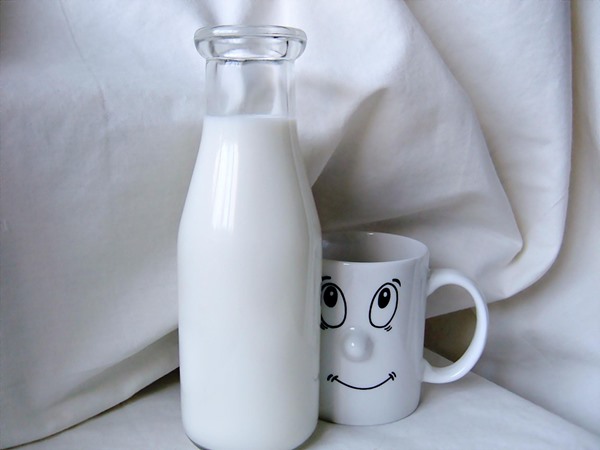
Vegans who bring up Jain teachings usually do so because dairy consumption directly contradicts the principle of non-violence, both in the modern commercial dairy industry and in traditional settings where calves are separated or surplus male calves may suffer. Since veganism is fundamentally about animal exploitation, dairy becomes the focal point.
However, Vigai is not the backbone of vegan philosophy. Veganism is a modern ethical stance oriented around animal rights, exploitation, sentience, and cruelty, not microscopic life. Sugar, oil, or jaggery do not involve animal abuse in the same direct manner, which is why vegans generally do not avoid them unless animal products are used in processing (for example, bone char–filtered sugar).
In other words, vegans invoke Vigai only where it aligns with their own ethical framework—not because they are adopting Jain philosophy in its entirety.
The Problem of Selective Quotation
When vegans cite only dairy-related parts of Vigai, it can come across as selective use of religious philosophy to strengthen a moral argument. This can lead to misunderstandings or even resentment among Jains who follow a more holistic interpretation of their own principles.
Selective use of religious ideas has two consequences:
- It oversimplifies Jain teachings, stripping them of nuance.
- It creates a double standard, where only the parts that support a particular argument are highlighted, while other aspects are conveniently ignored.
It is perfectly acceptable for vegans to oppose dairy. But if Jain principles are used as justification, then the full context must also be acknowledged.
Different Philosophies, Different Moral Lenses
It is important to note that Jainism and veganism are not identical:
- Jainism is fundamentally a spiritual path concerned with karma, purity, non-violence at all levels of existence, and the liberation of the soul.
- Veganism is an ethical movement focused on minimising harm to animals, rooted in modern ideas of rights, welfare, and biodiversity.
The principles overlap, but they are not the same. So it is natural that vegans do not adopt the full scope of Vigai, just as Jains do not necessarily adopt every aspect of vegan ideology.
A More Respectful Way Forward
Dialogue between vegans and Jains can be fruitful when approached with mutual respect. Instead of selectively quoting religious teachings, the conversation can focus on shared values:
- Compassion
- Reduction of harm
- Thoughtfulness about food choices
- Awareness of modern agricultural practices
Vegans can acknowledge the depth of Jain philosophy, and Jains can engage with the ethical concerns raised by vegans—without expecting either side to copy the other’s worldview wholesale.
Vegans pointing to Vigai only for dairy-related restrictions may appear inconsistent, but the underlying reason is that vegan ethics and Jain principles are based on different philosophical foundations. Instead of expecting vegans to adopt all Jain prohibitions—or expecting Jains to follow veganism completely—understanding the distinctions can lead to more productive and respectful discussions.
Both sides ultimately aim to reduce harm. The conversation becomes meaningful when done with clarity, honesty, and context—not selective interpretation.
You May Like to Read….
Stop Targeting Jains in the Name of Veganism
Vegetarians Should Beware of Veganism
Why Vegans Should Embrace Jainism
Understanding Jainism: A Comprehensive Overview
UAE Siblings Clear IGCSE 10th Board Exams at Ages 10 and 13 !
Freelance Writers! Write for TheyWon!
They Won Group of Online Magazines